
A road trip to the Great Smoky Mountains is part of the adventure but to get the most out of it, you need to plan.
Winding highways, scenic overlooks, and charming mountain towns make the journey just as memorable as the destination. Whether you’re travelling from nearby states or driving in from farther afield, a little planning will help you reach the Smokies smoothly and stress-free.
There are a few ideas that can make your trip a more memorable one. Try out these tips when you are planning your journey.
%20(1).jpg?width=639&height=479&name=pexels-davidrado-10585993%20(2)%20(1).jpg)
Planning for the Road to the Smokies
Where Are the Smoky Mountains Located?
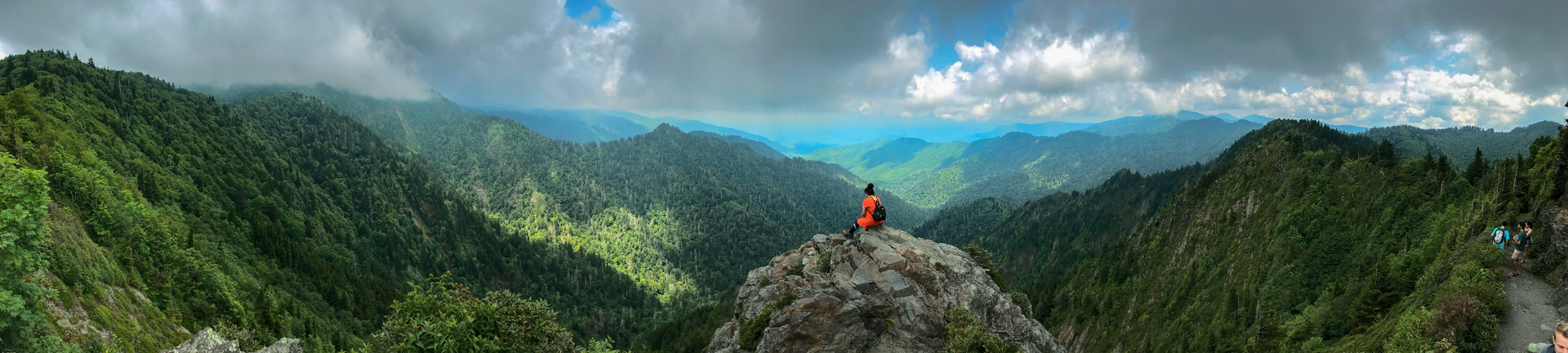
The Great Smoky Mountains sit along the border of Tennessee and North Carolina, anchored by the Great Smoky Mountains National Park. The most popular gateway towns include Gatlinburg, Pigeon Forge, Sevierville (on the Tennessee side), and Cherokee and Bryson City in North Carolina. These towns offer easy access to park entrances, lodging, dining, and attractions.
Driving Routes to the Smokies
Most visitors reach the Smoky Mountains by car, making road trips the most flexible option. If you’re travelling from the east or west, Interstate 40 is the main route, running east–west across Tennessee and North Carolina. I-40 provides access to exits for Sevierville, Newport, and Asheville, depending on which side of the mountains you’re heading toward.
From the south, Interstate 75 connects travellers from Georgia and Florida to I-40 near Knoxville, Tennessee. Those coming from the north can also use I-75 and transition onto regional highways that lead directly into the Smokies. Once you leave the interstates, expect mountain roads with slower speeds but beautiful scenery.
“Smoky Mountain rain keeps on fallin’
I’ll keep on callin’ her name”
Scenic Drives Worth Considering
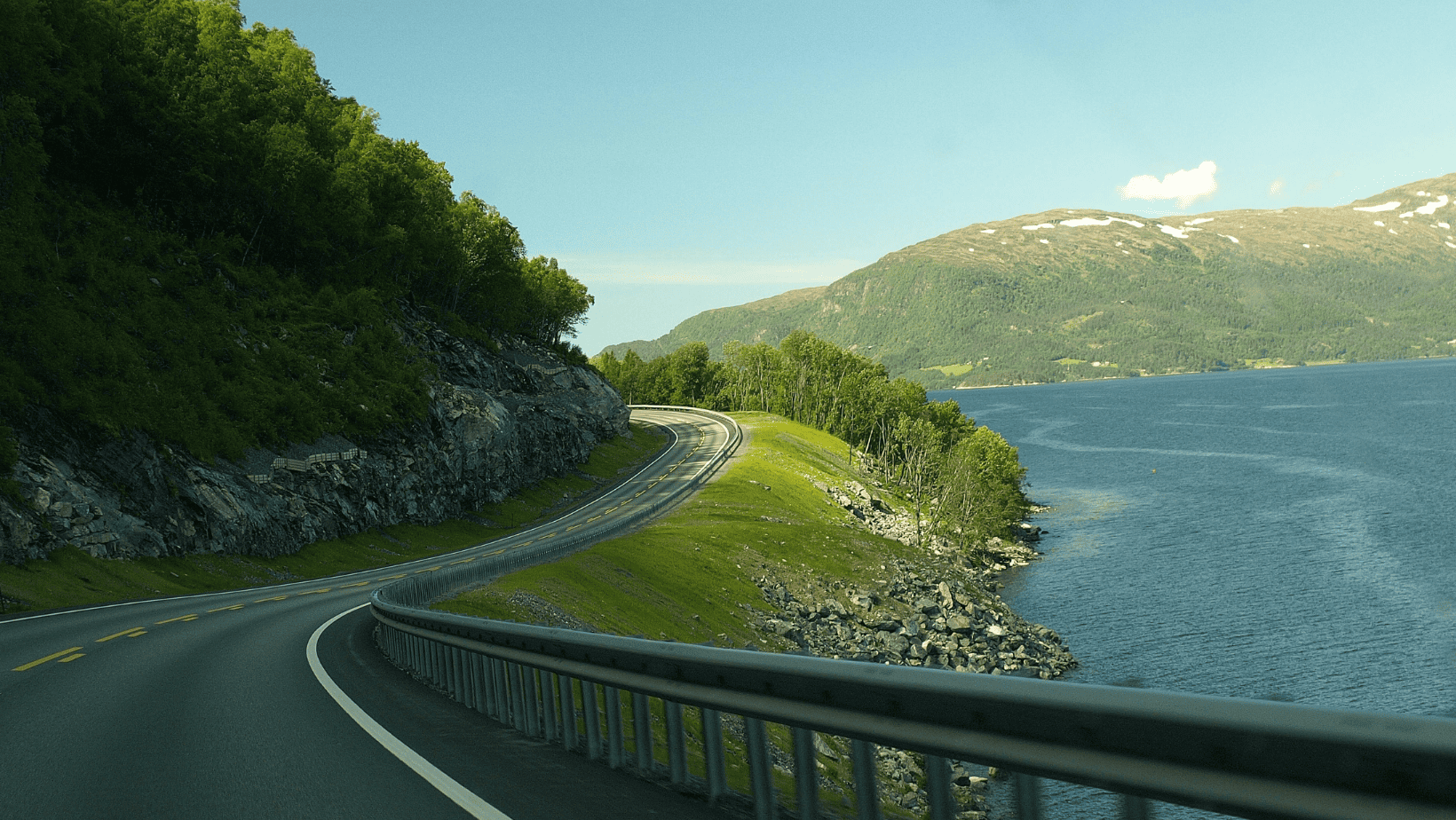
If time allows, consider adding scenic routes to your journey. U.S. Route 441 (Newfound Gap Road) cuts directly through the national park, connecting Gatlinburg, Tennessee, to Cherokee, North Carolina. This drive offers sweeping views, historic pull-offs, and access to popular hiking trails.
Another scenic option is the Foothills Parkway, which provides panoramic mountain views without heavy traffic. These routes are ideal for travellers who want to slow down and enjoy the landscape rather than rushing to their destination.
Seasonal Road Trip Tips
Road conditions in the Smoky Mountains vary by season. Spring and summer offer smooth driving and lush scenery, though traffic can be heavier during peak travel months. Autumn is especially popular due to fall foliage, so plan for slower travel times and busy roads.
Winter driving requires extra caution. Snow and ice can affect higher elevations, and some park roads may close temporarily. Check weather forecasts and park updates before setting out, and consider carrying basic winter supplies if travelling during colder months.
.jpg?width=1279&height=854&name=pexels-connorscottmcmanus-13258070%20(1).jpg)
Final Planning Advice
Plan fuel stops in advance, especially when crossing rural stretches of highway. Download maps or save directions offline, as mobile service can be limited in mountainous areas. Starting your drive early in the day can help you avoid congestion and give you more time to enjoy scenic stops.
Reaching the Smoky Mountains by road isn’t just transportation, it’s part of the experience. With thoughtful planning and a flexible schedule, your journey to the Smokies can be as rewarding as the mountain views waiting at the end of the road. Whatever your reason for visiting the Smokeys, head to Rentalz to find your perfect place to stay when you get there.
Plan your trip to the Smoky Mountains and you’ll create lasting memories.